Let’s be honest, nobody ever really wants to talk about what happens when things go wrong with their rear end. But sometimes life throws you a curveball, and you end up dealing with something like an anal abscess. It’s uncomfortable, embarrassing, and painful, but if you’re going through it, just know you’re not alone. I went through it too, and in the spirit of sharing experiences, I’m here to tell you what worked for me. Spoiler: it involved a lot of sitz baths, a visit to a colorectal surgeon, and Epsom salt.
Before we dive in, though, a quick disclaimer: I’m not a doctor. This is just my personal story, and nothing here should be taken as medical advice. If you’re going through something similar, do yourself a favor and see a healthcare professional. Preferably a colorectal surgeon. Trust me on this.
The Misdiagnosis: Hemorrhoid Creams Everywhere
It all started with pain. Not the kind of pain you can ignore, either—this was a constant, nagging discomfort that made every little thing harder. Sitting down? Nope. Walking? No thanks. Using the bathroom? Don’t even ask.
Naturally, I thought it was hemorrhoids. Because, let’s face it, most people are quick to assume that any kind of rear-end discomfort is just a hemorrhoid acting up. So, I did what anyone in my situation would do—I went to my primary care doctor. After a quick examination, I was told it was hemorrhoids, given a prescription cream, and sent on my way.
But, as days turned into weeks, the pain wasn’t getting better. In fact, it was getting worse. Sitting became an ordeal, and even lying down wasn’t comfortable. The creams weren’t doing anything, and I was getting frustrated. It wasn’t until the pain localized and a noticeable lump developed that I started to realize something more serious might be going on. Time to head back to the doctor.
The Real Diagnosis: Anal Abscess and a Fissure Fistula
This time around, I knew something was wrong. I made a point to explain just how much pain I was in and mentioned the lump I could feel. After a more thorough examination, I was told I had an anal abscess. For those not familiar, an anal abscess is an infection that forms a painful, pus-filled pocket near the anus. It’s about as fun as it sounds.
But that wasn’t the end of it. The doctor also noticed something else—there was a possibility I had a fissure and a fistula. A fissure is a small tear in the lining of the anus, and a fistula is an abnormal tunnel that forms between the anal canal and the skin. Both were contributing to my discomfort, and this wasn’t something that creams or time alone were going to fix.
At this point, I was referred to a colorectal surgeon, and let me tell you, seeing the right specialist made all the difference. The surgeon confirmed the diagnosis: I had an abscess that needed to be treated, but I also had a fissure fistula. If I hadn’t seen a specialist, I probably would have spent even more time spinning my wheels with the wrong treatments.
Why Seeing the Right Doctor Matters
Here’s the thing: dealing with an anal abscess, fistula, or fissure is no joke. It’s painful, it’s frustrating, and it’s easy to get lost in all the conflicting advice out there. That’s why it’s so important to see the right doctor, like a colorectal surgeon, who specializes in these kinds of issues.
While your primary care doctor or even a general surgeon might give you a basic diagnosis, a colorectal surgeon has the experience and expertise to pinpoint exactly what’s going on—and how to treat it. They know the difference between a regular hemorrhoid and something more complex like a fistula, and they’ll give you the right plan of action. In my case, I needed the abscess to be treated, but also needed to manage the fissure fistula long-term.
If you’re experiencing any kind of severe pain in that area, don’t hesitate to get a second opinion, especially if the pain isn’t improving. I can’t stress enough how much it helped to finally have a clear diagnosis from someone who knew exactly what they were doing.
The Sitz Bath: My Saving Grace
Once I had my diagnosis in hand, the doctor gave me a few recommendations for managing the abscess and fissure. While surgery is sometimes necessary for an abscess, mine was small enough to be managed at home with antibiotics. But beyond that, the doctor also stressed the importance of sitz baths for relieving pain and promoting healing.
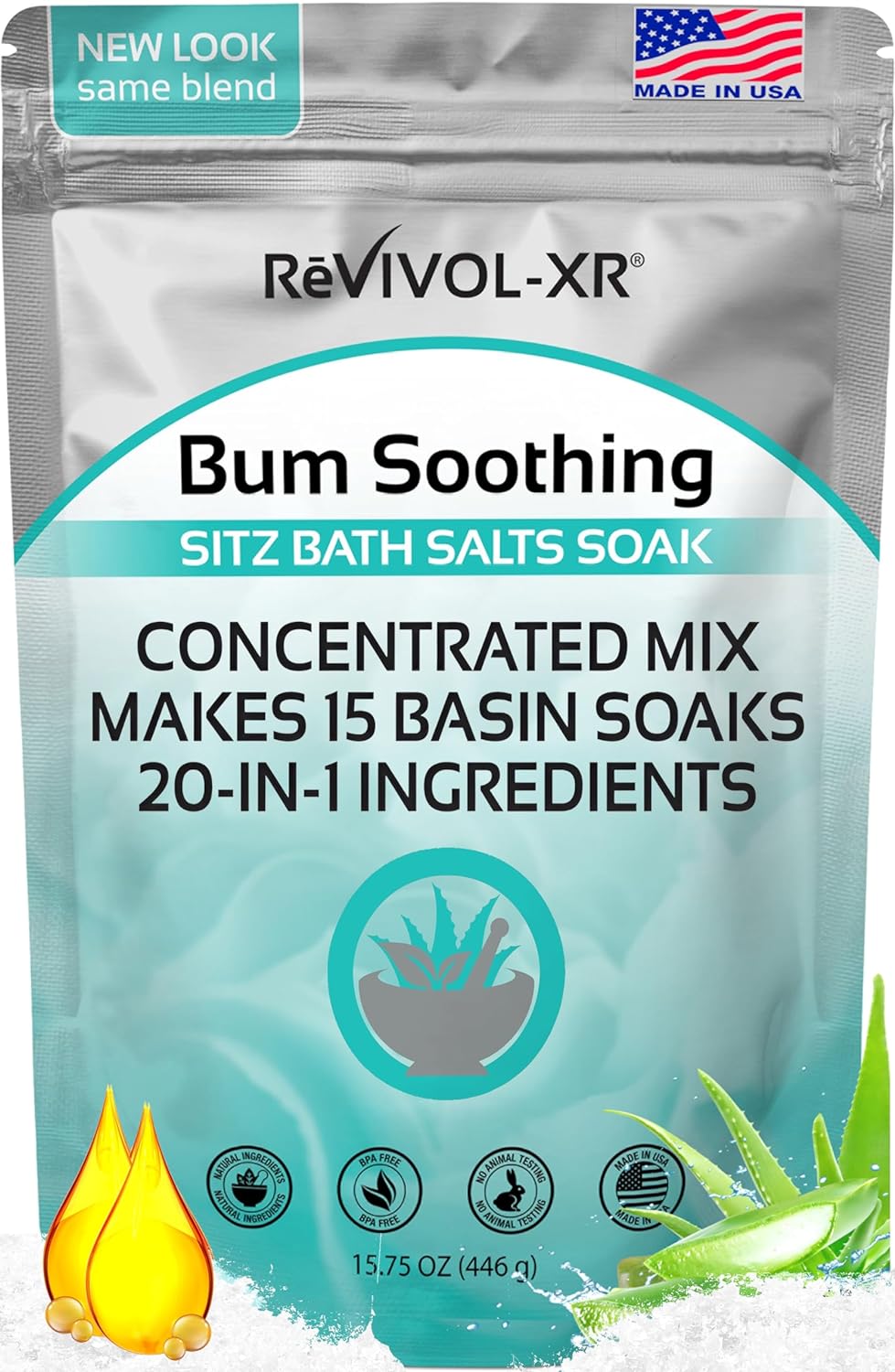
I can’t say enough good things about the humble sitz bath. If you’ve never heard of it, it’s basically a small basin that sits over your toilet. You fill it with warm water and, for an extra healing boost, you add Epsom salt. You sit in it for about 15-20 minutes, letting the warm water soothe the area.

At first, it felt a little strange—after all, you’re basically soaking your butt in a mini hot tub—but after the first sitz bath, I was hooked. The warm water was incredibly soothing, and the Epsom salt helped reduce the swelling and discomfort. I did sitz baths two or three times a day, and each time, it felt like I was giving my body a break from the constant pain. They quickly became the most important part of my recovery routine.
Why the Sitz Bath Worked When Nothing Else Did
You might be wondering why the sitz bath worked so well, especially after trying multiple creams and other treatments. The answer lies in the healing power of warm water and Epsom salt. The warmth from the water increases blood flow to the area, which helps reduce inflammation and promotes healing. The Epsom salt also has anti-inflammatory properties, which further helps reduce the swelling and discomfort.
In contrast, the creams I had been using only worked on the surface, and they weren’t getting deep enough to really address the underlying issues. The sitz bath allowed the healing process to begin from the inside out. I honestly don’t know where I’d be without it.
Patience and Persistence: The Key to Healing
The one thing I learned from this experience is that healing takes time—and a lot of patience. There were days when I felt like I wasn’t getting better, and it was easy to get frustrated. But as I stuck to the routine of sitz baths, antibiotics, and proper care, I slowly started to feel the difference. The pain subsided, the swelling went down, and I could finally sit down without wincing.
While dealing with an abscess and fissure is no walk in the park, having the right treatment plan and staying consistent with your care is key. Taking the time to let your body heal is tough, but it’s worth it in the end.
Final Thoughts
If you’re going through something similar, know that there’s light at the end of the tunnel (pun intended). But seriously, the best advice I can give you is to see the right specialist—a colorectal surgeon, in my case—and follow their recommendations closely. And don’t underestimate the power of a sitz bath. It might sound simple, but for me, it was the single most effective thing I did to manage my symptoms.
Again, I’m not a doctor—this is just my personal experience—but if you’re struggling with an anal abscess, fissure, or fistula, make sure to get professional advice and be patient with the healing process. You’ll get through it, one sitz bath at a time.

