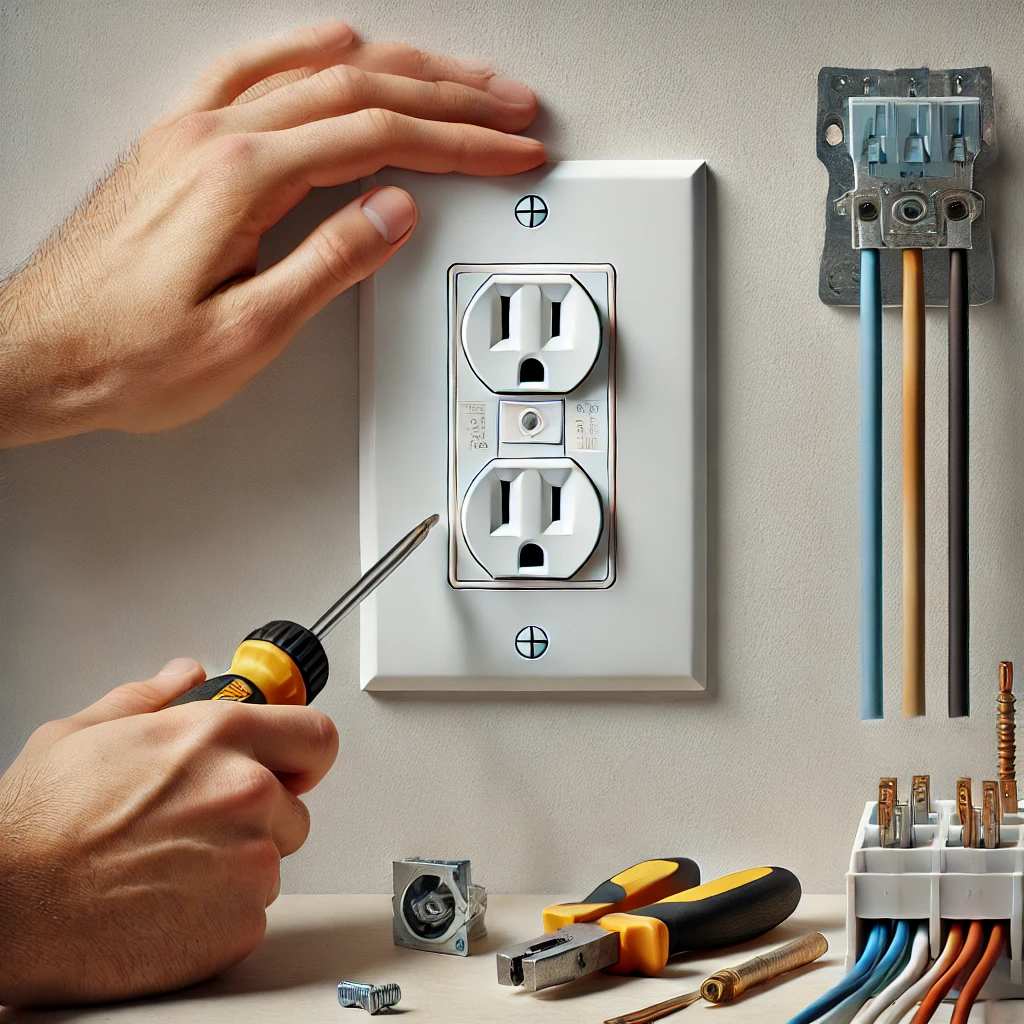
Have you ever opened up your electrical panel, seen a sea of wires, and thought, “Well, this looks like a job for Future Me”? You’re not alone. Electrical work can feel intimidating, but when it comes to tandem breakers, the process might not be as complicated—or as scary—as you think.
In this guide, we’ll break down everything you need to know about tandem breaker installation for Square D panels, Eaton panels, and GE panels, while sprinkling in a little humor to keep things light. (Electricity puns? Ohm, you bet.)
What Are Tandem Breakers, and Why Are They a Big Deal?
Let’s start with the basics. Tandem breakers, often called “skinny breakers” or “cheaters,” are the multitaskers of the electrical world. They allow you to run two circuits in the space of one standard breaker slot. Think of them as the power strip of your panel—except way cooler and actually code-compliant when used correctly.

The big deal with tandem breakers is this: they’re not just plug-and-play for every panel. If your panel isn’t designed to handle tandem breakers, you’re looking at a potential electrical disaster. And nobody wants to explain to the electrician (or your spouse) why you fried the entire system trying to wire up a new garage light or Decora Outlet.
Can Your Panel Handle a Tandem Breaker?
Before you start buying breakers like they’re on sale at Home Depot, you’ve got to answer the golden question: Does your panel even support tandem breakers?
Here’s how to find out:
1. Check the Label (Seriously, Don’t Skip This)
The inside of your panel door isn’t just there to keep the dust out—it’s where the manufacturer tells you everything you need to know. Look for key phrases like:
- “Tandem Breakers Allowed”
- “CTL Slots” (CTL stands for Circuit Total Limiting)
- The maximum circuit count your panel can handle
For Square D panels, the label might explicitly list which slots are CTL-rated. Eaton and GE panels are similar—they’ll have diagrams or notes showing whether tandem breakers are allowed and where they can be installed. If you ignore this label, you’re essentially trying to guess which breakers fit. Spoiler alert: guesswork isn’t a good strategy with electricity.
2. Inspect the Panel Design
This is where you put on your detective hat—or, better yet, just call someone who actually knows what they’re looking at. Panels designed for tandem breakers usually have special notches or clips on the bus bar. These notches ensure the breakers lock into place securely.
If your panel doesn’t have these features, it’s like trying to shove a square peg into a round hole. Sure, you might get it to fit, but something’s going to break (or catch fire).
3. Count the Circuits
Here’s where math gets involved, but don’t worry, it’s simple. Most panels have a maximum circuit count, which may be higher than the number of slots. For example, a panel with 20 slots might allow up to 40 circuits with tandem breakers.
The catch? Not all slots can take tandem breakers. For Eaton panels, the label will specify which slots are “tandem-ready.” GE panels often have similar slot restrictions. Square D panels might even have a diagram to show you which slots are CTL-rated.
4. Consult the Manufacturer’s Guide
Nobody knows your panel better than the people who made it. Check the user manual for your panel’s make and model, whether it’s Square D, Eaton, or GE. If you’ve lost the manual (we all have that one drawer full of orphaned manuals), you can usually find it online.
Steps for Tandem Breaker Installation
So you’ve confirmed your panel can handle tandem breakers. High five! Now let’s talk installation. But first, a PSA: If you’re not 100% confident about working with electricity, call an electrician. It’s worth the cost to avoid zapping yourself or burning the house down.
Step 1: Turn Off the Power
This might seem obvious, but trust me, there’s always that one person who skips this step. Flip the main breaker to “off” and use a voltage tester to confirm there’s no power. Remember, no sparks = no accidental new hairstyle.
Step 2: Open the Panel
Unscrew the cover and set it aside. Be careful not to touch any of the live wires inside, because electricity is like coffee—it’s best when handled carefully, not recklessly.
Step 3: Choose the Right Slot
Refer to the panel label to find the CTL slots. For Square D panels, these slots are usually labeled on the diagram. Eaton and GE panels follow similar labeling practices. Make sure you’re inserting the tandem breaker into a slot that’s designed for it.
Step 4: Wire the Circuits
Strip about half an inch of insulation from the circuit wires. Connect the wires to the breaker terminals, ensuring a tight fit. If you’re unsure which wire goes where, pause and Google it—or call an electrician.
Step 5: Install the Breaker
Snap the breaker into the slot, making sure it’s securely attached to the bus bar. If it feels loose or wobbly, something’s wrong. Tandem breakers should fit snugly.
Step 6: Test the Circuits
Replace the panel cover, turn the main breaker back on, and test the circuits. If everything powers up as expected, congratulations! You’ve just installed a tandem breaker without blowing anything up.
When to Skip Tandem Breakers and Upgrade the Panel
While tandem breakers are a great solution for panels with limited space, they’re not always the best choice. If your panel is old, overloaded, or just plain sketchy, it might be time to upgrade. Here are some red flags to watch for:
- Your panel trips breakers frequently
- It smells like burning plastic (this is never a good sign)
- The panel doesn’t meet modern code requirements
Upgrading to a larger panel can save you headaches in the long run, especially if you’re planning to add high-demand appliances like EV chargers or hot tubs.
FAQs About Tandem Breaker Installation
Q: Can I use tandem breakers in any panel?
A: Nope. Tandem breakers are only allowed in panels specifically designed to support them, like many Square D, Eaton, and GE panels. Check your panel’s label or consult the manufacturer to confirm.
Q: Are tandem breakers safe?
A: Absolutely, as long as they’re installed correctly in a compatible panel. Improper installation, however, can be dangerous.
Q: Do tandem breakers double the panel’s capacity?
A: Not exactly. They allow you to add circuits within the panel’s listed capacity, but they don’t increase the panel’s overall electrical load limit.
Final Thoughts
Tandem breakers can be a lifesaver (or at least a panel-saver) when you’re out of space but need more circuits. Whether you’re working with a Square D panel, an Eaton panel, or a GE panel, the key to success is understanding your panel’s limitations and following proper installation procedures.
And remember, if you’re ever in doubt, call a professional. It’s better to pay for an electrician than to pay for a hospital visit—or a new house.
Electrical work, including tandem breaker installation, involves significant safety risks and should always be performed by an experienced and ideally certified electrician. Attempting to install breakers without proper knowledge can result in serious injury, property damage, or violations of electrical codes. If you’re unsure about any aspect of the process, consult a licensed professional. Safety first!Happy wiring, and may your circuits never trip unless absolutely necessary!